If you woke up this morning wondering what on earth is happening out there, you’re not alone. April 17, 2026, feels like one of those days where the world paused for breath after weeks of chaos, yet the tension still hangs thick in the air. From a fresh ceasefire in Lebanon to ripple effects from the Iran conflict hitting gas pumps and grocery shelves worldwide, today’s headlines mix fragile hope with hard realities. I’ve followed these global shifts for years, and let me tell you—this isn’t just distant news. It’s touching your wallet, your travel plans, and maybe even your sense of safety. Let’s dive straight into what matters most, no fluff, just the facts and the human stories behind them.
The Historic 10-Day Ceasefire Between Israel and Lebanon Takes Hold
A 10-day truce between Israel and Hezbollah in Lebanon kicked in at midnight local time, offering the first real pause in over a month of brutal fighting. Families in Beirut’s southern suburbs are already packing up to head home, dodging rubble and hoping the calm lasts. President Donald Trump called it a “historic day for Lebanon,” and satellite images show entire villages reduced to dust—over 1,400 buildings gone since early March. It’s a small window of relief, but everyone knows one spark could end it.
How the Truce Was Brokered in Record Time
U.S. diplomats, with help from Pakistan’s army chief in Tehran, pushed hard for this deal after weeks of back-channel talks. Israeli Prime Minister Benjamin Netanyahu and Lebanese President Joseph Aoun are even heading to the White House soon for direct talks—the first in decades. You can feel the exhaustion in the voices of negotiators who’ve barely slept. It’s messy, imperfect, and yet it stopped the immediate bloodshed.
What the Ceasefire Means for Civilians on the Ground
Displaced Lebanese families are trickling back to shattered homes, mourning loved ones lost to airstrikes that killed nearly 2,200 in Lebanon alone. One mother I read about clutched her kids while describing nights spent in shelters listening to explosions. The human cost hits different when you picture kids returning to schools that no longer exist. Relief workers are racing to deliver aid before the clock runs out on this truce.
Trump’s Optimism on Iran Talks – Is a Bigger Deal Coming?
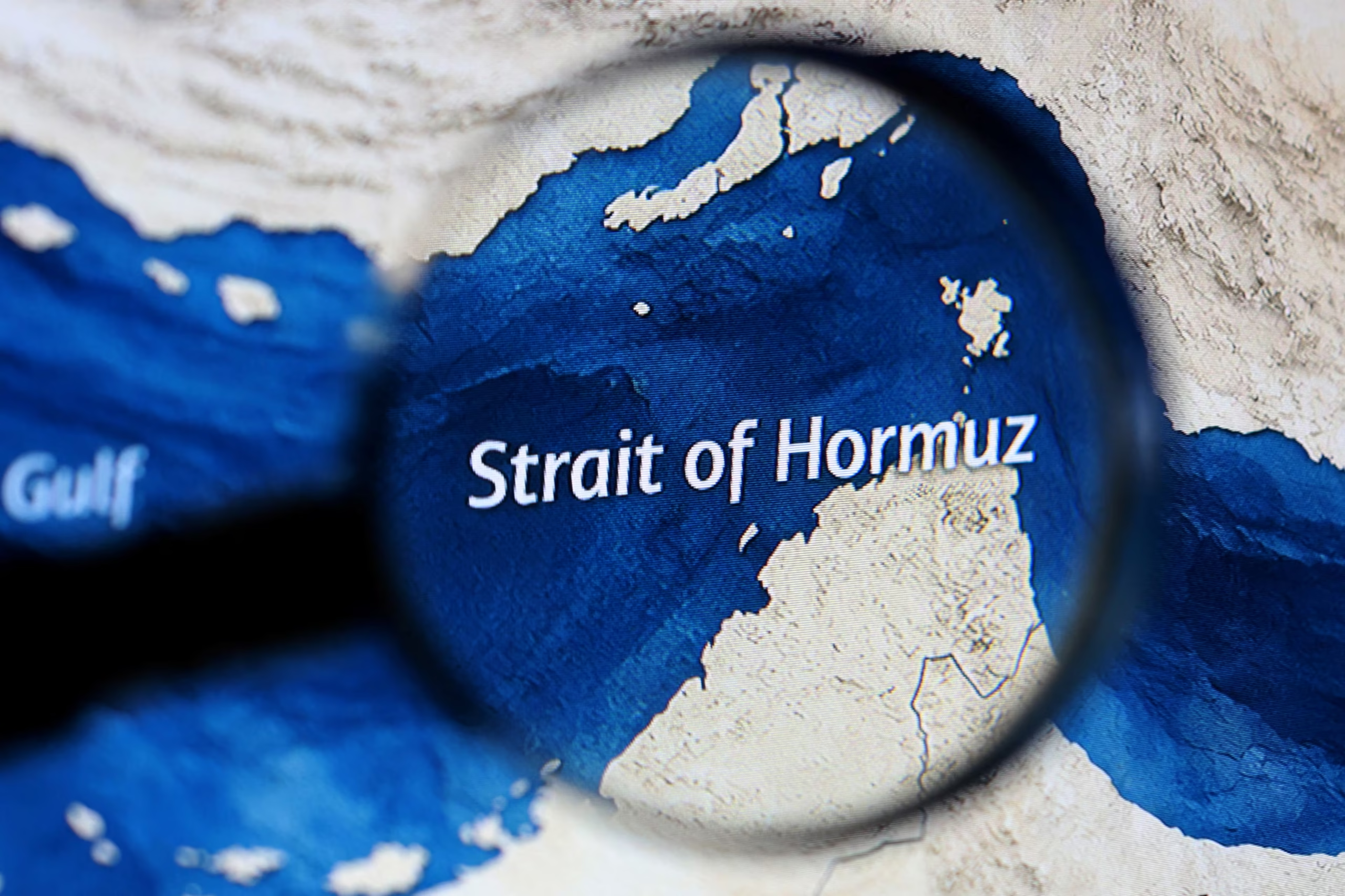
President Trump says a permanent peace with Iran is “looking very good” and could wrap up soon, even hinting at weekend talks. The U.S. naval blockade of Iranian ports in the Strait of Hormuz remains in place for now, but Trump’s team claims progress on enriched uranium handovers. Skeptics in Europe worry it’s too fragile, especially after recent strikes on Iranian infrastructure. Still, the tone in Washington feels cautiously bullish compared to last month’s fire.
Pakistan’s Quiet Role in Mediating the Iran Crisis
Pakistan’s foreign ministry confirmed no firm dates yet for the next round of U.S.-Iran talks, but their army chief’s meeting in Tehran helped narrow gaps. It’s classic shuttle diplomacy—quiet, high-stakes, and rarely in the spotlight. Without that bridge, the ceasefire might never have happened. History shows these backroom deals often decide more than public summits.
Risks That Could Still Derail Progress
Iran accuses the U.S. and Israel of violations, while sea mines in the Gulf of Oman remain a cheap but deadly wildcard. One wrong move and shipping lanes could shut again, spiking oil prices overnight. I’ve seen similar fragile truces collapse before—remember how quickly hope faded in past Middle East rounds. Vigilance is everything.
Global Fuel Crisis: How the Iran War Is Hitting Your Wallet
Europe might have just six weeks of jet fuel left, according to the International Energy Agency head, forcing airlines to ground flights and raise fares. Oil prices dipped below $100 on ceasefire hopes, but markets are still jittery. The U.S. is suddenly close to becoming a net crude exporter for the first time since World War II. For everyday folks, that means higher grocery bills from disrupted supply chains and pricier vacations if flights stay expensive.
Economic Winners and Losers in the Energy Shock
Here’s a quick comparison of pre- and post-conflict impacts:
| Region | Before Conflict | After Conflict Impact | Everyday Effect |
|---|---|---|---|
| Europe | Stable jet fuel reserves | Maybe 6 weeks left; flight cancellations | Higher airfares, delayed travel |
| U.S. | Net importer | Near net exporter status | Lower domestic gas prices possible |
| Asia | Steady oil imports | Alternative routes via Red Sea | Supply chain delays, higher costs |
| Global South | Affordable energy | Soaring prices, hunger risks in places like Haiti | Food inflation, aid shortages |
Data pulled from recent Reuters and AP reports. The table shows clear winners in U.S. energy production but pain everywhere else.
Pros and Cons of the Current Ceasefire for Markets
Pros
- Oil prices stabilizing, boosting investor confidence
- Equity funds seeing inflows as war risks recede
- Potential for quicker recovery in shipping lanes
Cons
- Uncertainty over permanent Iran deal keeps volatility high
- European energy shortages could trigger recession fears
- Commodity shifts are resetting global currency power
It’s a mixed bag, but the short-term relief feels real for traders watching screens today.
Pope Leo XIV’s Fiery Africa Tour and Sharp Words for World Leaders
Pope Leo didn’t hold back in Cameroon, calling out a world “ravaged by a handful of tyrants” funding endless wars. His comments came right after clashing with Trump over the Iran situation, drawing huge crowds and plenty of Vatican-watchers. It’s rare to see a pontiff this direct, and it’s sparking real conversations about moral leadership in 2026.
Why the Pope’s Message Is Resonating Globally
Thousands packed a Mass in Douala, hanging on every word about exploitation and inequality. One local shopkeeper told reporters the Pope’s voice feels like the only one speaking truth to power right now. Emotional stuff—especially when you contrast it with political spin we hear daily.
Reactions from World Leaders and the Public
Trump said he won’t apologize for his side of the exchange, while European allies quietly nod along. It’s refreshing to hear unfiltered moral clarity amid all the diplomacy. Light moment: even the Pope’s critics admit his timing is impeccable.
Artemis II Crew Shares Moon Mission Stories After Historic Return
NASA’s Artemis II astronauts just wrapped their press conference, recounting the 10-day journey that took them around the far side of the Moon. Commander Reid Wiseman named a crater after his late wife in an emotional tribute that had mission control tearing up. It’s a bright spot in today’s news—proof that humanity can still reach for the stars even when Earth feels chaotic.
What the Mission Means for Future Space Exploration
The crew described re-entry as the scariest yet most beautiful moment. Their stories remind us exploration isn’t just science; it’s deeply personal. With China and others pushing lunar ambitions, Artemis keeps the U.S. in the lead.
Everyday Inspiration from the Astronauts’ Journey
Kids worldwide are probably dreaming bigger tonight after hearing these firsthand accounts. It’s the kind of news that lifts spirits when headlines get heavy.
Other Major Global Developments You Need to Know
Sudan’s civil war just entered its fourth devastating year, with energy shortages worsening the humanitarian crisis. In Myanmar, ousted President Win Myint was released in a New Year’s amnesty. The Philippines saw its deadliest militant clash this year, with 10 killed in a raid. Small stories, but each one carries heavy human weight.
Quick Regional Roundup of Today’s Headlines
- Europe: UK’s Keir Starmer faces fresh resignation pressure; Lufthansa grounds planes over fuel costs.
- Asia: China’s economy holds steady despite Iran turmoil; a wolf escaped and was recaptured in South Korea after nine days.
- Africa: Pope Leo continues his tour with strong anti-tyrant messaging; Kenya seeks World Bank help for war shocks.
These snippets show how interconnected everything is right now.
People Also Ask: Common Questions About World News Today
What is the latest on the Israel-Lebanon ceasefire?
It started at midnight and appears to be holding, with families returning home and Trump calling it historic. A 10-day window before any permanent talks.
How is the Iran conflict affecting oil prices and global travel?
Prices dipped on peace hopes, but Europe’s jet fuel shortage could mean canceled flights and higher costs for weeks.
What did Pope Leo say about the current world leaders?
He warned the planet is being “ravaged by a handful of tyrants” during his Africa visit, drawing sharp reactions.
Is there any progress in U.S.-Iran talks?
Trump says things are “looking very good” with possible weekend meetings, though Pakistan notes no firm second-round date yet.
How will today’s news impact my daily life?
Higher fuel costs could raise grocery and travel prices short-term, but markets are optimistic a longer peace could stabilize everything.
FAQ: Your Top Questions Answered
Why does the Lebanon ceasefire matter to people outside the Middle East?
It directly affects global oil flow through the Strait of Hormuz. Disruptions there mean higher energy prices everywhere—from your morning commute to winter heating bills.
Can the Iran war really end soon like Trump suggests?
Optimism is high in Washington, but experts warn sea mines, nuclear issues, and trust gaps could drag things out. History teaches us to watch actions, not just words.
What’s the human side of these big conflicts?
Behind every headline are families like the Lebanese parents mourning children killed far from battle lines. Stories of displacement and loss remind us the cost is never abstract.
How are markets reacting to today’s ceasefire news?
Stocks hover near records, oil stays under $100, and investor money is flowing back in. Still, full recovery depends on a lasting Iran deal.
Where can I follow reliable updates on these stories?
Stick with outlets like AP, Reuters, and BBC for real-time facts—no spin, just solid reporting.
Today’s world news shows both the fragility of peace and the resilience of people pushing for better. From families heading home in Lebanon to astronauts sharing Moon stories, we’re all connected in this messy, hopeful moment. Keep an eye on that 10-day clock—it could define the rest of 2026. What story hit you hardest today? Drop a comment below if you’re reading this on the site. Stay informed, stay kind, and we’ll catch you with tomorrow’s update.